“That’s above my paygrade.”
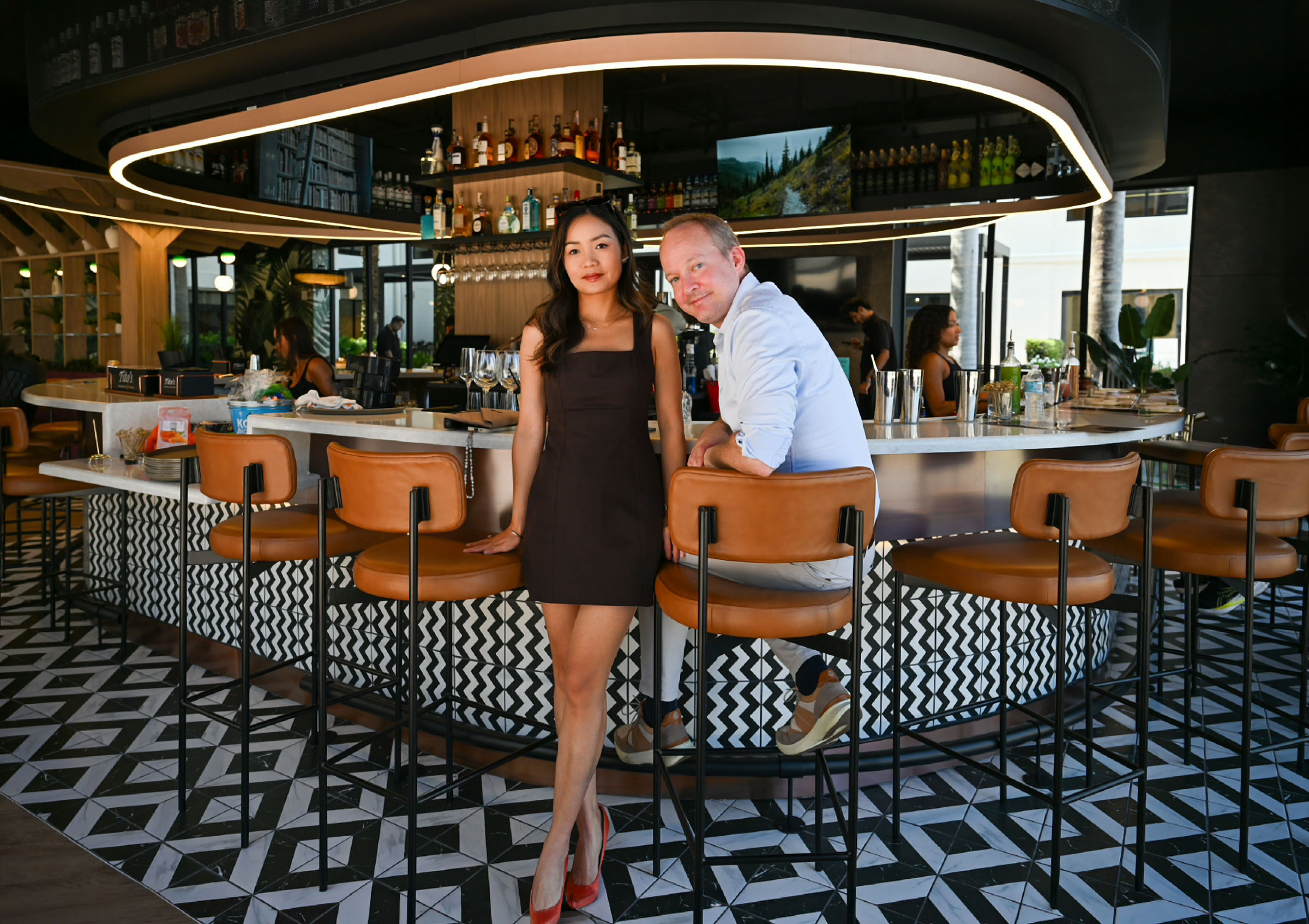
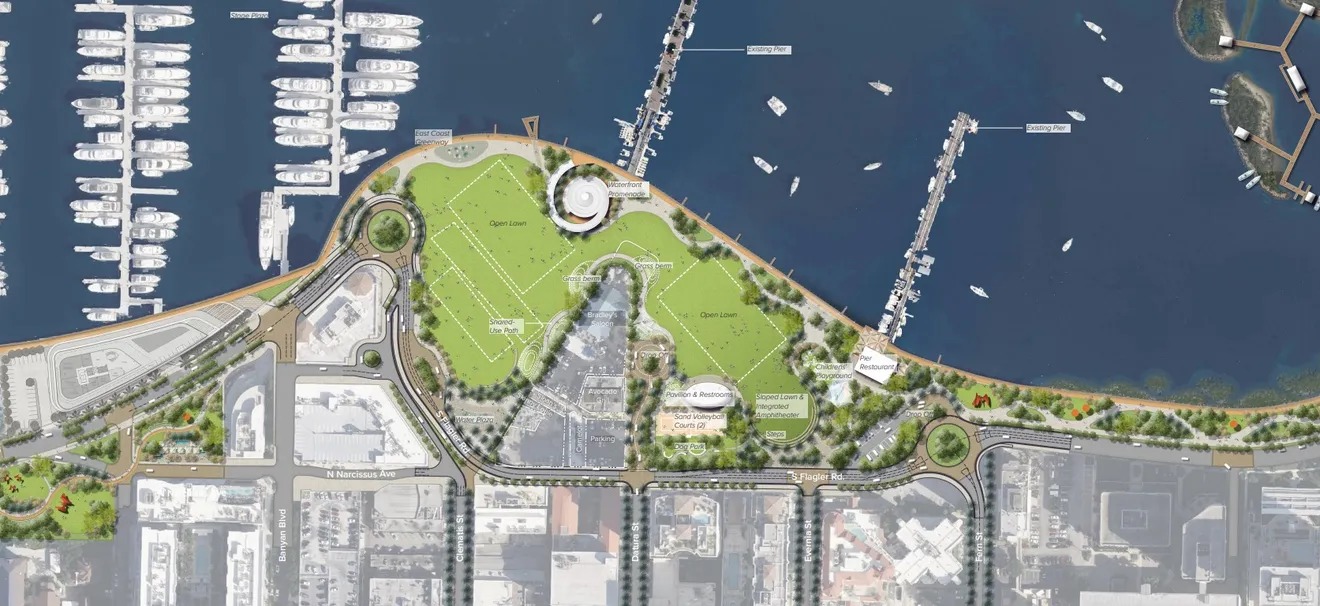
That was the response I received when I asked a local business manager about the recent waterfront proposal and its potential impact on E.R. Bradley’s.
In many ways, that simple phrase captures the broader tension surrounding the conversation. West Palm Beach is evolving rapidly, and the proposed waterfront vision represents a significant civic ambition: expanded public space, a reimagined waterfront experience, and a larger investment in the future identity of the city. Personally, I support much of that vision. Parks and open spaces can create tremendous long-term value for communities when they are designed thoughtfully and integrated meaningfully into the urban fabric.
But the future of a city should never feel “above the paygrade” of the people who actually live, work, and spend time there.
The most meaningful public spaces are rarely created through top-down planning alone. They emerge from participation, conversation, local memory, and the everyday experiences of the people who already give those places life. The waitress, bartender, small business owner, resident, visitor, and employee all experience the waterfront differently — and those perspectives matter.
At the same time, places like Bradley’s are not simply obstacles on a site plan. Over decades, they become woven into the social memory of a city itself. For many residents and visitors, Bradley’s is part of the experience of the waterfront — informal, recognizable, local, and deeply tied to the identity of downtown West Palm Beach.
That is why I continue to come back to a simple question:
Why shouldn’t a place like Bradley’s be part of the waterfront vision, preserving the character and continuity of the city rather than becoming another casualty of redevelopment?
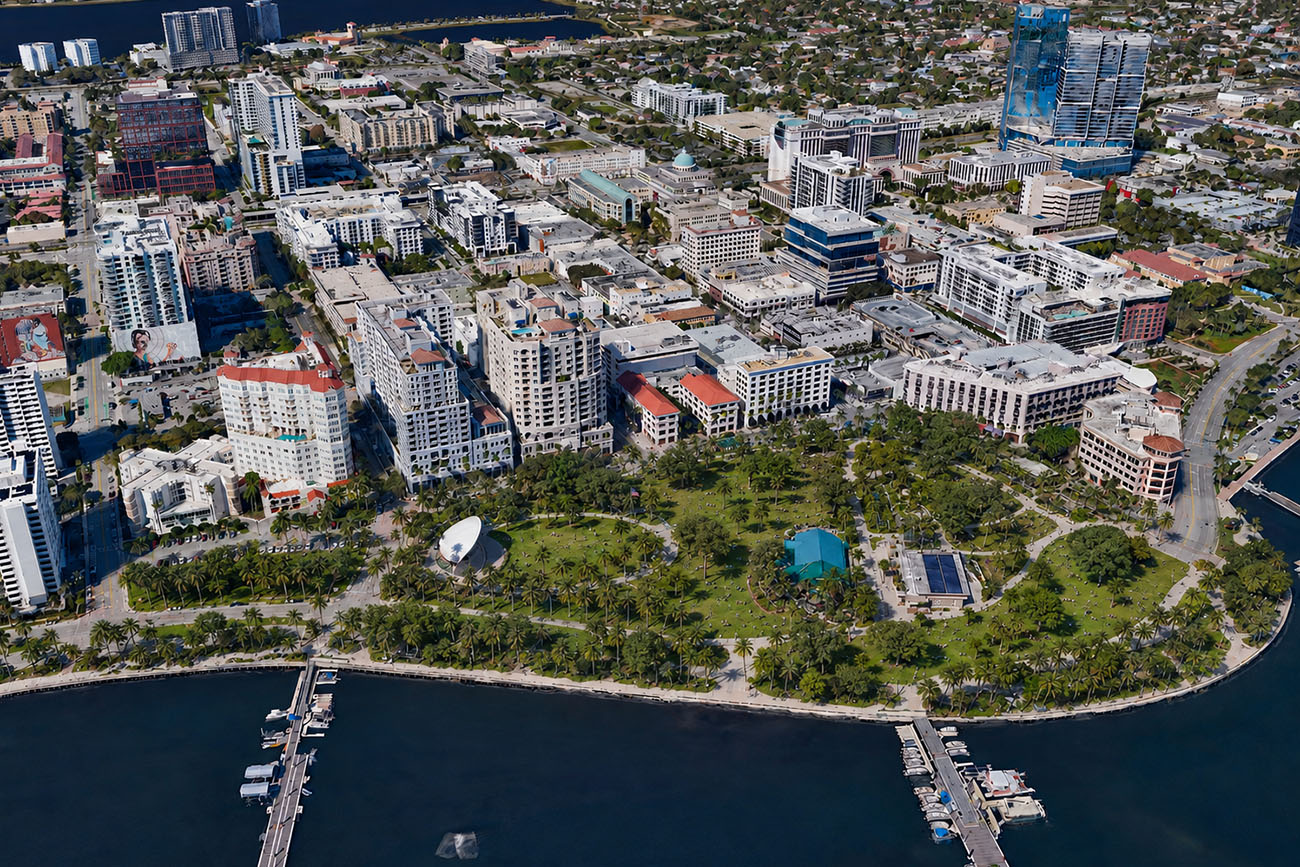
Some of the world’s most successful public spaces integrate restaurants, hospitality, and cultural anchors directly into the experience of the park itself. Tavern on the Green existed within Central Park not as a contradiction to public space, but as part of its activation and identity. Similar relationships exist in parks, waterfronts, and civic districts throughout the world where thoughtful integration creates environments that feel active, layered, and genuinely connected to the life of the city.
The conversation surrounding the waterfront should not become a conflict between growth and preservation. West Palm Beach is clearly entering a transformative period of expansion, investment, and national attention. The more interesting challenge is how to allow civic ambition and local character to strengthen one another rather than compete.
That is where architecture and urban design matter most. Not simply in creating larger parks or new development, but in shaping environments that feel authentic to the people who already inhabit them.
West Palm Beach deserves great public space. But perhaps the larger opportunity is creating a waterfront vision where the city’s future growth remains visibly connected to the places and memories that made the waterfront meaningful to begin with.

.svg)